I recently had a client return to me for a craniosacral session. Her headaches that we had previously addressed had resumed. In conversation, this client reminded me of her friend who had been to see me several years ago.
“You stopped her tinnitus” she said. “So, she stopped coming to see you.”
“Well wasn’t that a good thing?” I replied. Inquisitive to understand why the client had chosen not to communicate further. “she couldn’t live without it” she replied.
This sparked an ignition moment for me ( as we say in craniosacral therapy!)Could craniosacral therapy help the condition of tinnitus, and if so, how and why?
Tinnitus is when a person hears sound in their ears when there is no external source. The sound is often ringing, buzzing, hissing, or thumping in the ears.
The condition affects 10 – 15% of the population. For many, it is an ongoing issue. It may present suddenly but can often build up gradually.Those that " find it difficult "to live without it , even when presented with a means to allay, find that they are so habituated to the noise, they cannot live without it. Unfortunate for them!
In his book “The long Tide to Silence” Julian Cowan Hill-writes emphatically about his tinnitus suffering and the desperate time he had and how tinnitus was an ongoing invasion in his head for 20 years of his life. Today he does not suffer from tinnitus and has indeed found his cure. Craniosacral therapy helped the tinnitus leave his system to such an extent, he now is a craniosacral therapist himself.
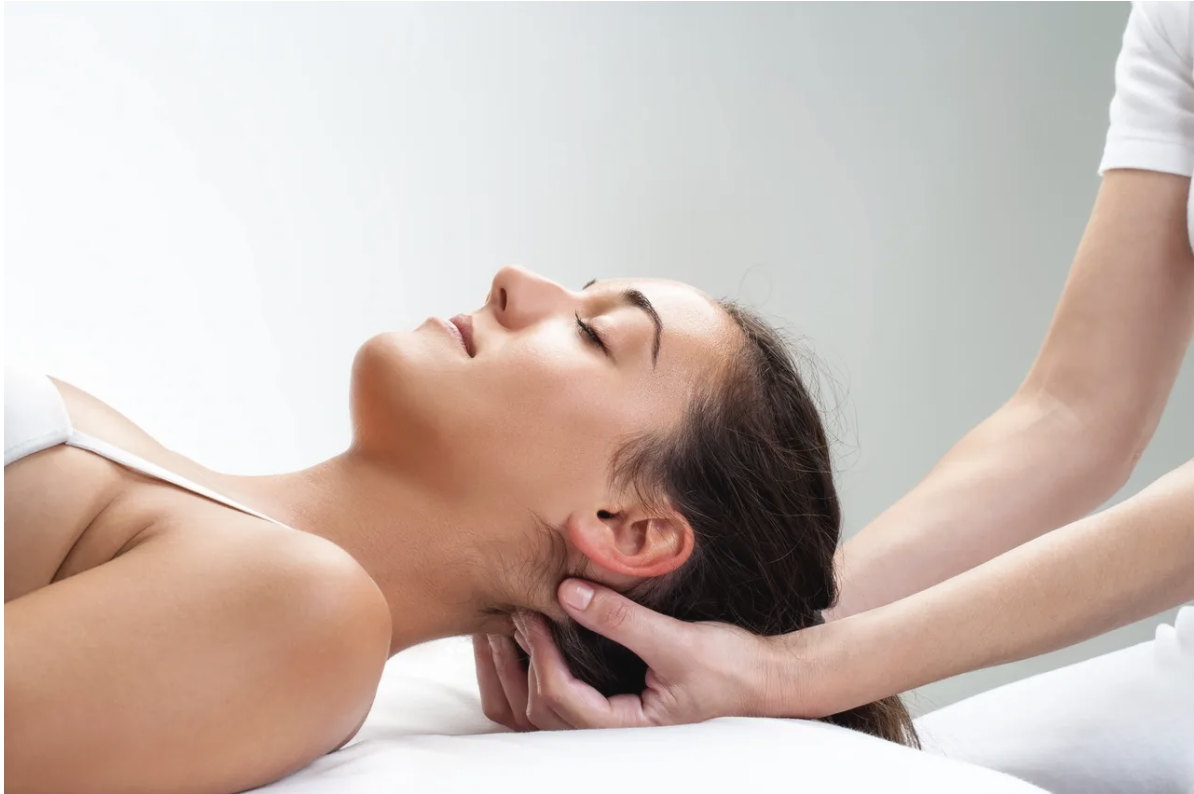
Although one must not claim any sense of a "cure" Craniosacral therapy addresses the nervous system, and there is enough evidence to support that sessions of craniosacral therapy will drop a system that is continually functioning in the overdrive of the sympathetic nervous system, down into the parasympathetic. Craniosacral therapy is now extensively practised around the world and continues to develop in popularity for a wide range of people. It is a gentle but potent way of working with the body using light touch. People sometimes ask about the name “craniosacral therapy” and think it only refers to the head. In fact CST works with the whole person and changes may occur in body, mind and spirit during and after sessions.Tinnitus is directly linked to the nervous system and craniosacral sessions play an important role for those that have this condition.
In his Youtube video Julian indicates the importance “That any sufferer needs to follow a body based practice, to help their nervous system settle.. To get out of their heads and get into their body”
Do you or someone you know suffer from Tinnitus? Would you like help to resolve the condition?
I am looking for people and potential clients to come forward as case studies to be able to build a repertoire of stories to help better understand how indeed Craniosacral therapy can help this condition. If this is something you would be interested in coming forward for, you are invited to be my case study over a period of 6- 8 weeks. Commitment required is a minimum of 3 treatments and up to 6 to achieve an accumulative effect.
An initial consultation lasts for one hour and a half. Subsequent treatments 50 minutes.
The CSTA (The Craniosacral therapy association) website can offer an insight to the continuing results that CST can offer to a variety of conditions.
Craniosacral Therapy is not intended as primary healthcare but to work alongside the relationship you have with your doctor. Registered. Therapists are accredited by the Cranio- Sacral Association (CSTA) and use the letters RCSTA after their names. They adhere to the CSTA as Code of ethics and requirements for continuing professional development.